
Compostable, recyclable, reusable: what the labels on eco packaging really mean
Recyclable is about the bin
A recyclable package can be collected, sorted and turned into new material in the place where you operate. A plain kraft bag is recyclable almost everywhere. A coffee cup with a plastic lining is technically recyclable, but only a few mills accept it, so the answer depends on your city.
Compostable is about time and temperature
Compostable means that the package breaks down into water, carbon dioxide and biomass within a set time under set conditions. EN 13432 describes industrial composting: 90 percent of the material must disintegrate within 12 weeks at around 58 °C. A package that carries the label may not break down in a garden heap, so tell your customers which bin to use.
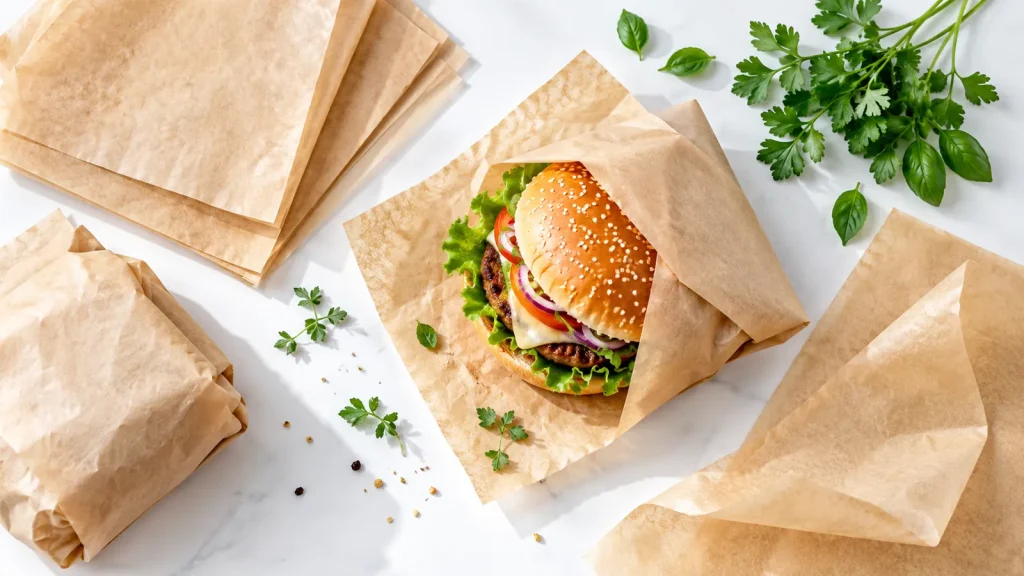
Reusable is about the second life
Reusable packaging is designed to be washed and filled again. It usually costs more per unit but less per use, and it works best where you can get containers back: office canteens, subscription lunch boxes and events. For takeaway and delivery, single-use paper and fibre remain the practical choice.
What to ask your supplier
- A certificate for the finished product, with a number you can check.
- A food-contact declaration for each material layer.
- The origin of the paper, with FSC or PEFC chain-of-custody where it matters to you.
- A clear statement of the disposal route you can print on the box.